
Do you dream of a beautiful, inviting landscape but worry about water usage and maintenance? By applying the principles of desert landscaping, known as xeriscaping, you can achieve a yard that balances beauty, practicality, and sustainability, giving you plenty of options for a low-water, low-maintenance yard.
This guide explains how desert landscaping works, why it’s gaining popularity, and what features make it an ideal choice for modern homeowners who value both design and function.
This is part of our series focused on llandscape design plans; an ultimate guide you can refer to for whatever your outdoor goals are.
What Makes Desert Landscaping Unique?
Desert landscaping is built around one simple idea: work with the natural environment rather than against it. It celebrates dry climates and highlights the character of the land through resilient plants, strategic design, and efficient water use.
You can apply these same ideas to create a space that thrives with minimal maintenance, uses resources wisely, and achieves a modern, alluring look inspired by the desert.
Core Features of Desert Landscaping
- Low Water Usage: The design focuses on plants and materials that require minimal watering.
- Native and Drought-Tolerant Plants: These species adapt easily to dry conditions.
- Natural Materials: Gravel, stone, sand, and boulders add structure and contrast.
- Smart Irrigation: Drip systems deliver water where it’s needed, cutting waste.
This type of design feels grounded and uncluttered. It reflects the beauty of open space and texture through shapes, shadows, and subtle colors. A desert landscape often has fewer plants but more intention behind each placement.
Which Drought-Tolerant Plants Should You Try?
Choosing the right drought-tolerant plants is key to successful desert landscaping. These species are designed by nature to survive with minimal rainfall. They offer structure, texture, and seasonal color without the heavy upkeep.
Here are some excellent choices for homeowners exploring low-water design:
1. Succulents
Succulents like agave, aloe, and sedum are at the heart of most desert landscapes. They store water in their leaves, giving them a sculptural, architectural look. Succulents are ideal for garden beds, pots, or accent groupings. You get a fresh, modern style with almost no watering needs.
2. Ornamental Grasses
Grasses such as blue fescue, feather reed grass, and fountain grass add movement and texture. Their gentle sway in the breeze softens hardscapes like patios or gravel paths. They also thrive in poor soil and require little attention once established.
3. Shrubs
Shrubs like sagebrush, juniper, lavender, and cotoneaster adapt perfectly to dry climates. They provide structure and a subtle scent, while their hardy nature ensures they last for years with minimal maintenance.
4. Flowering Perennials
For added color, plants such as blanket flowers, coneflower, and penstemon bloom beautifully under the sun. These attract pollinators and hold their own during dry spells. Their vibrant tones break up the earthy colors of stones and gravel.
5. Trees for Shade & Form
Even in desert settings, trees have their place. Palo verde, desert willow, and honey locust offer dappled shade and elegance. They grow deep roots, making them efficient water users.
By combining these plant types, you create depth and interest. Every species serves a purpose; whether it’s to provide contrast, fill space, or define boundaries. A good landscape design plan groups plants based on their watering needs, ensuring no drop is wasted.
At Master’s Landscape Design, you also receive expert plant advice and placement guidance. Each recommendation comes from years of hands-on experience creating landscapes that balance aesthetic and performance.
How Do Xeriscape Ideas Save Water?
Desert landscaping often overlaps with the concept of xeriscaping; a design philosophy aimed at reducing water use without sacrificing beauty. It’s not about creating a barren space. It’s about making smart choices that let your yard thrive naturally.
Seven Xeriscape Principles
- Planning and Design: A solid plan considers sun exposure, wind direction, and drainage patterns before planting.
- Soil Improvement: Healthy soil retains moisture. Adding compost or mulch helps roots grow deeper.
- Practical Turf Areas: Grass is used only where necessary like small play zones or accent strips.
- Plant Selection: Drought-tolerant plants and native species take priority.
- Efficient Irrigation: Drip irrigation systems minimize waste by delivering water straight to plant roots.
- Mulching: Gravel or organic mulch reduces evaporation and keeps soil cool.
- Maintenance: Proper pruning and seasonal care keep everything efficient and healthy.
The Real-World Impact
In dry regions, this makes a measurable difference; not only for your utility bills but for the environment too.
The best xeriscape projects combine natural materials and smart layout. For example, positioning rocks around a plant’s base helps hold moisture. Similarly, using terraced designs can slow water runoff and prevent erosion.
For homeowners, that means lower costs, less time spent watering, and a more sustainable lifestyle. With a well-planned xeriscape, your yard stays vibrant even during restrictions or drought conditions.
Master’s Landscape Design builds these principles into every project. The process is transparent and collaborative. You receive updates, explanations, and clear communication at each stage. The goal isn’t just to meet expectations, it’s to exceed them by building outdoor spaces that reflect care, skill, and legacy.
Why Use Gravel Landscaping?
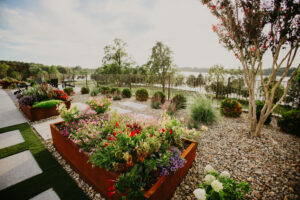
Gravel plays a central role in desert landscaping because it balances practicality with design. Its texture adds contrast to smooth surfaces, and its drainage properties make it perfect for dry climates.
Gravel is a sustainable choice in wetter climates, too. Water can run through gravel surfaces and into the soil underneath, reducing water pooling and providing a natural way for the ground to receive and store water.
How Gravel Works in Landscape Design
Gravel helps manage water runoff and prevents erosion. It acts as a barrier that keeps soil temperature stable, reducing evaporation around plant roots. When paired with drought-tolerant plants, it supports a sustainable micro-environment.
Design Benefits
- Visual Texture: Gravel comes in different colors and sizes from fine decomposed granite to larger river stones, each offering endless design options.
- Defined Spaces: Use gravel to outline walking paths, patios, or garden zones.
- Maintenance Reduction: It prevents weeds and eliminates the need for lawn mowing.
- Durability: Gravel handles heavy foot traffic and resists weather changes.
- Cost-Effective Beauty: Compared to paving or turf, it’s affordable and long-lasting.
Using Gravel with Other Materials
Combining gravel with stone pavers, flagstone, or concrete borders creates clean, defined lines. You can even mix gravel types to create subtle color gradients or patterns. For a cohesive design, a professional landscape design plan integrates these textures seamlessly with plantings, lighting, and seating areas.
Sustainability & Maintenance
Gravel doesn’t degrade quickly and rarely needs replacement. It improves drainage and minimizes standing water, which discourages pests. With proper edging and occasional raking, it remains fresh and tidy year after year.
At Master’s Landscape Design, every project is built with precision and backed by a quality warranty. The focus on craftsmanship ensures your investment stands strong for years to come.
How Do Low-Maintenance Yards Support Busy Lives?
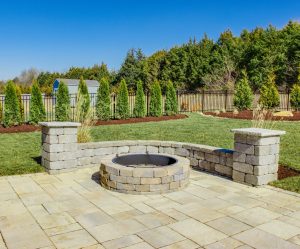
In today’s world, many homeowners value outdoor spaces that bring peace, not more chores. Desert landscaping answers that need. By using drought-tolerant plants and simple materials, you create a space that stays beautiful without constant effort.
The Benefits of a Low-Maintenance Yard
- Less Watering: With smart irrigation and native plants, your system practically runs itself.
- Minimal Upkeep: No weekly mowing or trimming means more time for family and rest.
- Year-Round Appeal: Desert landscapes look good in every season.
- Reduced Costs: Fewer inputs like fertilizer or pesticides mean ongoing savings.
Designing for Function and Lifestyle
A well-designed desert yard complements your daily routine. You can include seating zones, walking paths, or quiet garden corners that reflect how you like to spend your time. Gravel or stone patios create usable areas without the upkeep of wood or turf.
Lighting also plays a major role. Subtle LED fixtures along walkways or around accent plants make your space usable at night while highlighting the texture of the landscape.
Enjoy a Sustainable Yard That Lasts

A well-designed desert-inspired landscape isn’t about following trends: it can be a lasting investment in comfort, style, and sustainability. You’re not just creating a yard; you’re shaping an environment that works with your climate and lifestyle. With the right plants, gravel, and layout, your outdoor space will look refined while using less water and maintenance.
Master’s Landscape Design approaches every project with the same goal: to help you enjoy your space without compromise. You get honesty, professionalism, and expertise from a team that values building something lasting today for future generations to enjoy.
If you’re ready to design a low-water, low-maintenance yard that fits your lifestyle, request a consultation today.
Summary
This blog explored how desert landscaping creates practical, low-water outdoor spaces using drought-tolerant plants, gravel, and xeriscape techniques. By designing around your environment, you save water, reduce maintenance, and enjoy a lasting, beautiful yard built on quality and value.